Buy haushaltsaufloesungen.eu ?
We are moving the project
haushaltsaufloesungen.eu .
Are you interested in purchasing the domain
haushaltsaufloesungen.eu ?
domain@kv-gmbh.de · 0541-91531010
Buy haushaltsaufloesungen.eu ?
What is twilight anesthesia during wisdom teeth removal?
Twilight anesthesia, also known as conscious sedation, is a type of anesthesia used during wisdom teeth removal. It involves administering medication to induce a state of deep relaxation and drowsiness, but the patient remains conscious and able to respond to verbal cues. This type of anesthesia helps to minimize discomfort and anxiety during the procedure while allowing the patient to recover more quickly compared to general anesthesia. It is often used for minor surgical procedures like wisdom teeth removal. **
How is the removal of wisdom teeth done under general anesthesia?
During the removal of wisdom teeth under general anesthesia, the patient will be unconscious and unaware of the procedure. An anesthesiologist will administer the anesthesia through an IV, putting the patient to sleep. The oral surgeon will then extract the wisdom teeth while the patient is under anesthesia, ensuring a pain-free and comfortable experience. After the procedure, the patient will be monitored until they wake up from the anesthesia. **

Similar search terms for Anesthesia
Top-Angebote
Products related to Anesthesia:
-
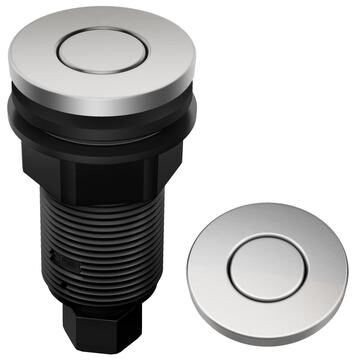
KRAUS Garbage Disposal Air SwitchThe KRAUS Garbage Disposal Air Switch Kit is a sleek and functional alternative to traditional wall-mount toggle switches, allowing you to activate your garbage disposal with the push of a button while creating a coordinated look with your kitchen...34,95 $*Shipping: 0,00 $Secure redirect to the provider
-
Whitehaus Collection Cyclonehaus Disposal ToolThe Whitehaus Collection Multi-Purpose garbage disposal tool safely pushes garbage and kitchen waste into your garbage disposal. This tool can be used as a Dish Scrapper to scrap all dishes clean.35,00 $*Shipping: 0,00 $Secure redirect to the provider


-
How does a wisdom tooth removal surgery under general anesthesia proceed?
During a wisdom tooth removal surgery under general anesthesia, the patient will be unconscious and monitored closely by an anesthesiologist. The oral surgeon will then make an incision in the gum tissue to access the tooth and may need to remove bone to extract it. Once the tooth is removed, the area will be cleaned and stitched up. The patient will then be monitored until they wake up from the anesthesia. **
-
How is the removal of wisdom teeth performed under general anesthesia?
The removal of wisdom teeth under general anesthesia involves the patient being completely unconscious and unaware during the procedure. The patient is typically given medication through an IV to induce sleep and prevent pain. Once the patient is asleep, the oral surgeon will then proceed with the extraction of the wisdom teeth. The surgeon will carefully remove the teeth and may need to make incisions in the gums to access the teeth. After the procedure is complete, the patient will be monitored as they wake up from the anesthesia. **
-
What is the difference between local anesthesia and general anesthesia?
Local anesthesia is a type of anesthesia that numbs a specific part of the body, such as a limb or a small area, without affecting the patient's consciousness. General anesthesia, on the other hand, induces a state of unconsciousness and loss of sensation throughout the entire body. Local anesthesia is typically used for minor procedures, while general anesthesia is used for more complex surgeries or procedures that require the patient to be completely unconscious. **
-
Should wisdom teeth be removed under general anesthesia or local anesthesia?
The decision to remove wisdom teeth under general anesthesia or local anesthesia depends on the complexity of the procedure and the patient's individual needs. General anesthesia may be recommended for more complex cases, such as impacted or deeply rooted wisdom teeth, as it allows the patient to be unconscious and unaware of the procedure. However, local anesthesia can be sufficient for straightforward cases, and it allows the patient to remain awake and aware during the procedure. Ultimately, the best approach should be determined by the dentist or oral surgeon in consultation with the patient, taking into account the specific circumstances and the patient's comfort and safety. **

Is general anesthesia dangerous?
General anesthesia is generally safe when administered by trained professionals in a controlled medical setting. However, like any medical procedure, there are risks associated with general anesthesia, such as allergic reactions, breathing problems, and adverse reactions to the medications used. The overall risk of complications is low, but it is important for patients to discuss any concerns with their healthcare provider before undergoing anesthesia. **
Is general anesthesia risky?
General anesthesia carries some risks, as with any medical procedure. These risks can include allergic reactions, breathing problems, and potential complications with other medical conditions. However, the overall risk of serious complications is relatively low, and anesthesiologists are highly trained to monitor and manage patients during anesthesia to minimize these risks. It's important for patients to discuss any concerns with their healthcare provider and follow pre-operative instructions to help reduce the potential risks associated with general anesthesia. **
Top-Angebote
Products related to Anesthesia:
-
KRAUS Garbage Disposal Air SwitchThe KRAUS Garbage Disposal Air Switch Kit is a sleek and functional alternative to traditional wall-mount toggle switches, allowing you to activate your garbage disposal with the push of a button while creating a coordinated look with your kitchen...34,95 $*Shipping: 0,00 $Secure redirect to the provider
-
Whitehaus Collection Cyclonehaus Disposal ToolThe Whitehaus Collection Multi-Purpose garbage disposal tool safely pushes garbage and kitchen waste into your garbage disposal. This tool can be used as a Dish Scrapper to scrap all dishes clean.35,00 $*Shipping: 0,00 $Secure redirect to the provider
-
What is twilight anesthesia during wisdom teeth removal?
Twilight anesthesia, also known as conscious sedation, is a type of anesthesia used during wisdom teeth removal. It involves administering medication to induce a state of deep relaxation and drowsiness, but the patient remains conscious and able to respond to verbal cues. This type of anesthesia helps to minimize discomfort and anxiety during the procedure while allowing the patient to recover more quickly compared to general anesthesia. It is often used for minor surgical procedures like wisdom teeth removal. **
-
How is the removal of wisdom teeth done under general anesthesia?
During the removal of wisdom teeth under general anesthesia, the patient will be unconscious and unaware of the procedure. An anesthesiologist will administer the anesthesia through an IV, putting the patient to sleep. The oral surgeon will then extract the wisdom teeth while the patient is under anesthesia, ensuring a pain-free and comfortable experience. After the procedure, the patient will be monitored until they wake up from the anesthesia. **
-
How does a wisdom tooth removal surgery under general anesthesia proceed?
During a wisdom tooth removal surgery under general anesthesia, the patient will be unconscious and monitored closely by an anesthesiologist. The oral surgeon will then make an incision in the gum tissue to access the tooth and may need to remove bone to extract it. Once the tooth is removed, the area will be cleaned and stitched up. The patient will then be monitored until they wake up from the anesthesia. **
-
How is the removal of wisdom teeth performed under general anesthesia?
The removal of wisdom teeth under general anesthesia involves the patient being completely unconscious and unaware during the procedure. The patient is typically given medication through an IV to induce sleep and prevent pain. Once the patient is asleep, the oral surgeon will then proceed with the extraction of the wisdom teeth. The surgeon will carefully remove the teeth and may need to make incisions in the gums to access the teeth. After the procedure is complete, the patient will be monitored as they wake up from the anesthesia. **
Similar search terms for Anesthesia
-
What is the difference between local anesthesia and general anesthesia?
Local anesthesia is a type of anesthesia that numbs a specific part of the body, such as a limb or a small area, without affecting the patient's consciousness. General anesthesia, on the other hand, induces a state of unconsciousness and loss of sensation throughout the entire body. Local anesthesia is typically used for minor procedures, while general anesthesia is used for more complex surgeries or procedures that require the patient to be completely unconscious. **
-
Should wisdom teeth be removed under general anesthesia or local anesthesia?
The decision to remove wisdom teeth under general anesthesia or local anesthesia depends on the complexity of the procedure and the patient's individual needs. General anesthesia may be recommended for more complex cases, such as impacted or deeply rooted wisdom teeth, as it allows the patient to be unconscious and unaware of the procedure. However, local anesthesia can be sufficient for straightforward cases, and it allows the patient to remain awake and aware during the procedure. Ultimately, the best approach should be determined by the dentist or oral surgeon in consultation with the patient, taking into account the specific circumstances and the patient's comfort and safety. **
-
Is general anesthesia dangerous?
General anesthesia is generally safe when administered by trained professionals in a controlled medical setting. However, like any medical procedure, there are risks associated with general anesthesia, such as allergic reactions, breathing problems, and adverse reactions to the medications used. The overall risk of complications is low, but it is important for patients to discuss any concerns with their healthcare provider before undergoing anesthesia. **
-
Is general anesthesia risky?
General anesthesia carries some risks, as with any medical procedure. These risks can include allergic reactions, breathing problems, and potential complications with other medical conditions. However, the overall risk of serious complications is relatively low, and anesthesiologists are highly trained to monitor and manage patients during anesthesia to minimize these risks. It's important for patients to discuss any concerns with their healthcare provider and follow pre-operative instructions to help reduce the potential risks associated with general anesthesia. **
* All prices are inclusive of VAT and, if applicable, plus shipping costs. The offer information is based on the details provided by the respective shop and is updated through automated processes. Real-time updates do not occur, so deviations can occur in individual cases. ** Note: Parts of this content were created by AI.